
Financing
Solar financing in Palmdale: loans, $0-down programs, leases & PPAs explained
There are three honest ways to pay for solar and storage. Each has trade-offs that matter for 20 years or more. Here is how they work, who gets which tax credit in 2026, and what to look for before you sign.
- 01$0-down programs available
- 02Fixed monthly payments on solar loans
- 03Military & veteran discounts
- 04Licensed & insured · CSLB #1028836
Who this is for
Homeowners who want the real trade-offs, not a payment pitch
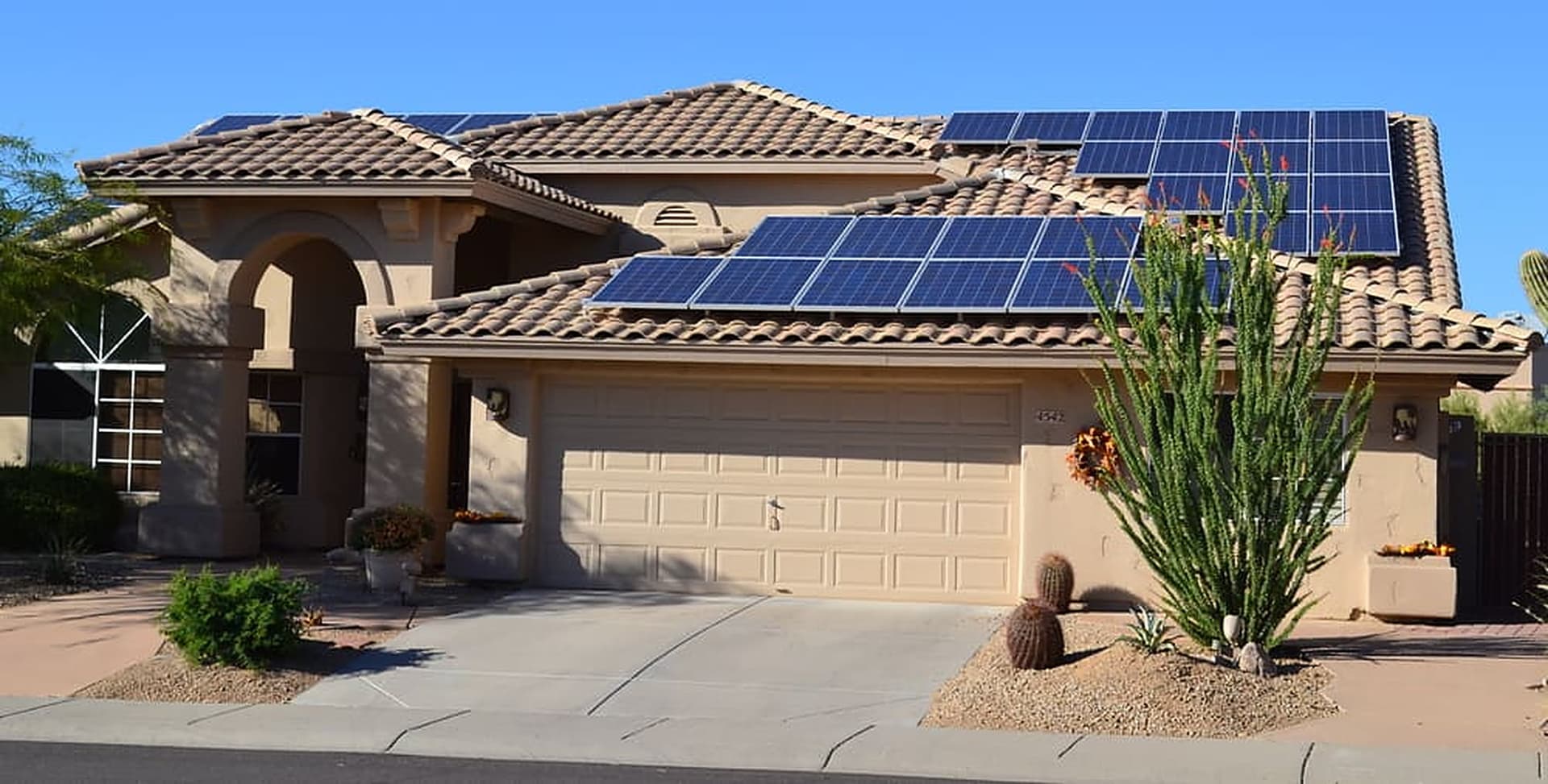
This page is for Antelope Valley homeowners comparing quotes, and for anyone who has been told “your payment will be lower than your bill” and wants to know what is behind that sentence. It covers residential solar, batteries, Generac generators and EV chargers. Commercial projects have different structures and a different tax picture; see our commercial page.
One thing to get straight first: the 30% federal residential credit (Section 25D) ended for systems completed after December 31, 2025. If you buy a system in 2026 with cash or a loan, there is no federal credit. The business credit (Section 48E) still exists for third-party-owned systems through 2027, and that is why leases and PPAs are being marketed harder this year. Details and sources are on the California solar incentives in 2026.
At a glance
Cash vs. loan vs. lease or PPA
The table compares the three structures on what matters most. Every row is a question worth asking any installer.
01Cash
- Upfront cost
- Full price at install
- Who owns the system
- You
- Federal credit in 2026
- None (25D ended)
- Monthly payment
- None; you keep the full bill savings
- Maintenance and monitoring
- Yours, under manufacturer and workmanship warranties
- Selling the home
- System conveys with the house
- Property-tax exclusion
- Yes, if completed before Jan 1, 2027
- Best for
- Lowest lifetime cost; homeowners with savings earning less than the bill savings
02Solar loan
- Upfront cost
- $0 down programs available; some loans allow a down payment to lower the monthly amount
- Who owns the system
- You (lender may record a UCC-1 until paid)
- Federal credit in 2026
- None (25D ended)
- Monthly payment
- Fixed for the term; does not escalate
- Maintenance and monitoring
- Yours, under manufacturer and workmanship warranties
- Selling the home
- Pay off at closing or buyer assumes, per lender
- Property-tax exclusion
- Yes, if completed before Jan 1, 2027
- Best for
- Ownership without the upfront cost; predictable payment; likely to sell within the term
03Lease or PPA
- Upfront cost
- Usually $0 down
- Who owns the system
- The provider, for the contract term (typically 20–25 years)
- Federal credit in 2026
- Provider claims 48E; may pass part through as a lower rate
- Monthly payment
- Fixed rate or per-kWh price, often with a 1–3% annual escalator
- Maintenance and monitoring
- Provider’s responsibility, per contract
- Selling the home
- Buyer must qualify and assume, or you buy out the contract
- Property-tax exclusion
- Applies to the system; owner is the provider
- Best for
- No interest in ownership or maintenance; want a rate not a purchase; comfortable with transfer terms
The details
Each option, honestly
Solar loans with fixed monthly payments
A solar loan is an unsecured or system-secured installment loan. You own the system from day one, the payment is fixed for the term, and you keep every dollar of bill savings. SunCoast works with Dividend and ELN (Energy Loan Network) as well as local credit unions, and $0-down programs are available subject to credit approval. We do not quote rates on this page because they change with credit and the market; you will see the real rate, term and payment in writing before signing.
What to watch: some loans with very low advertised rates carry a dealer fee that the installer pays the lender and adds to your price. That is why we show a cash price and a financed price. Also confirm whether the lender records a UCC-1 fixture filing on the system; it is common and manageable, but it has to be released when you pay off the loan or sell.
Leases and power purchase agreements
With a lease you pay a fixed monthly amount for the system; with a PPA you pay per kilowatt-hour it produces. Either way the provider owns the system for the contract term, handles maintenance and, because it is a business asset, claims the Section 48E credit on systems placed in service by the end of 2027. A fair contract passes a meaningful share of that credit through as a lower rate. An unfair one does not.
What to watch: the annual escalator (the CPUC caps the escalation assumption solar providers may use in savings estimates, and typical escalators run 1–3% a year), the total cost over the full term, what happens when you sell (the buyer must qualify and assume, or you buy out), the UCC-1 filing, and who pays for roof work if the panels ever need to come off. Read the CPUC’s Solar Consumer Protection Guide before signing; the provider is required to give it to you.
Cash
The simplest structure and the lowest lifetime cost. You pay once, own everything and there is no lender or provider in the picture. The trade-off is opportunity cost: if the money would earn more elsewhere than the bill savings, a loan can make sense even when you could pay cash. Cash buyers still get the 25-year warranty, the 25-year written production guarantee and the property-tax exclusion for systems completed before January 1, 2027.
Batteries, generators and EV chargers
Loans and $0-down programs cover battery storage, Generac standby generators and EV chargers, alone or bundled with solar. Batteries may qualify for SGIP rebates when budgets are open; generators have no incentive programs. We will tell you which applies rather than assume.
How it works
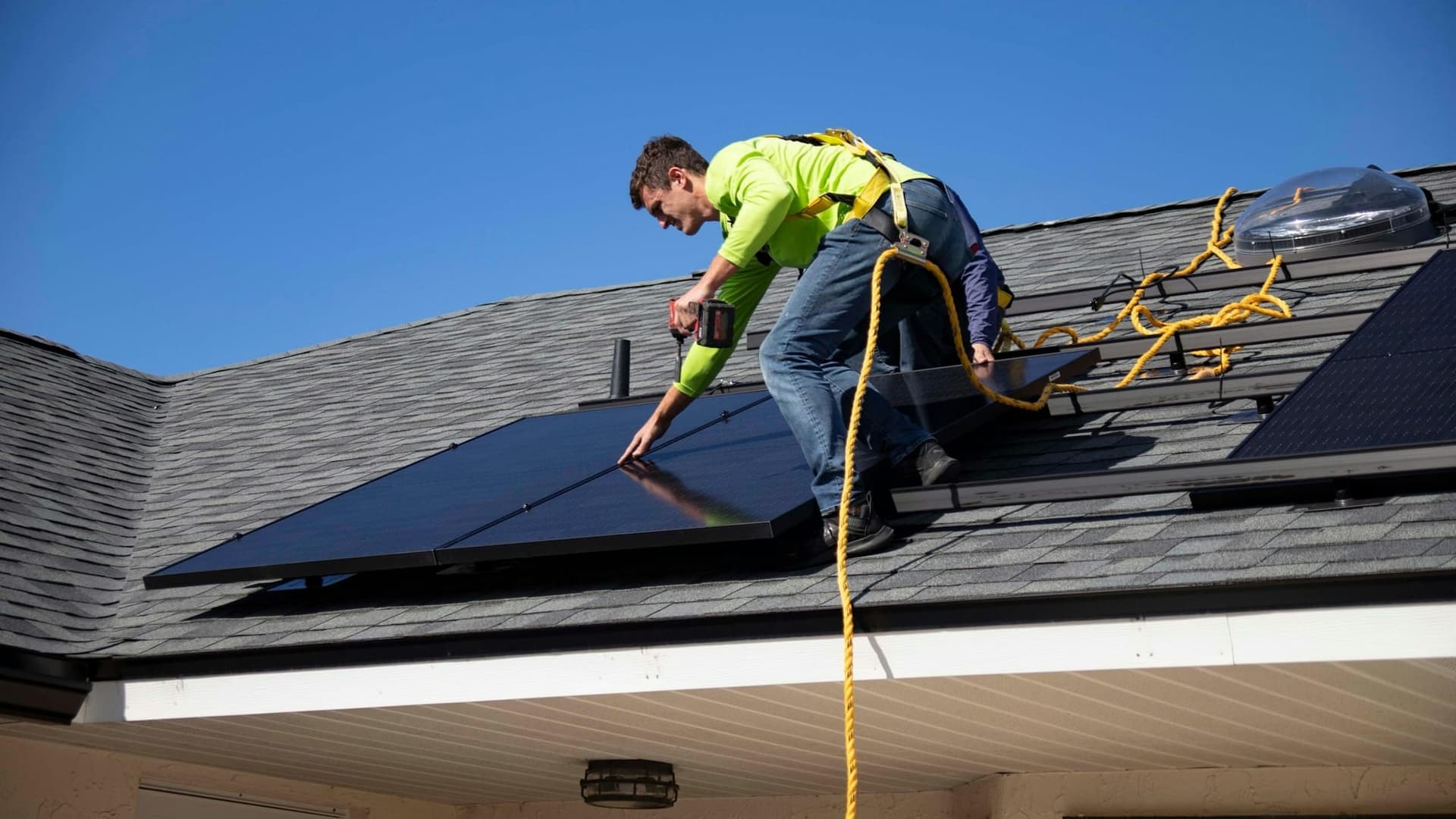
How financing a system with SunCoast works
Five steps from bill review to install. No payment discussion until we know solar fits your home.
Before you sign
What to watch for in any solar financing offer
These are the items that cause regret years later. Ask about every one of them, with us or with anyone else.
- 01
Dealer fees hidden in the price
Some low-rate loans charge the installer a fee that gets folded into your system price. Always compare the cash price and the financed price side by side.
- 02
Escalators in leases and PPAs
An annual escalator raises your payment every year, commonly 1–3%. Over 20–25 years that adds up. Ask for the total contract cost, not just year one.
- 03
UCC-1 fixture filings
Lease, PPA and some loan providers record a UCC-1 against the system. It is not a mortgage lien, but it must be handled at closing when you sell or refinance.
- 04
Transfer at sale
Owned systems go with the house. A lease or PPA must be assumed by the buyer, who has to qualify, or bought out. That can complicate a sale.
- 05
Who claims the 48E credit
On a lease or PPA the provider owns the system and claims the business credit. Ask how much of it shows up in your rate. On a loan or cash purchase there is no federal credit in 2026.
- 06
Production and warranty terms
Get the 25-year warranty and the 25-year written production guarantee in the contract. On a PPA, confirm who is responsible for repairs and monitoring.
Questions
Financing questions, answered
Short answers to what Antelope Valley homeowners ask us most.
01Can I really get solar with $0 down?
Yes. SunCoast offers $0-down loan programs through financing partners including Dividend and ELN (Energy Loan Network) and local credit unions, subject to credit approval. Leases and PPAs are also typically $0 down. Zero down is not the same as free; you still pay a fixed monthly amount, so compare it to the bill it replaces.
02What interest rate will I get?
Rates depend on your credit, the term and market conditions, and they change, so we do not publish them here. We show you the actual rate, term, payment and any fees in writing before you sign anything.
03Is a loan or a lease better in 2026?
It depends on what you value. A loan means you own the system, keep any future incentives and the property-tax exclusion, and can sell the home without a transfer process. A lease or PPA means no ownership, a monthly rate that may escalate, and a transfer or buyout at sale, but the provider can claim the 48E business credit and may pass some of it through. Compare total cost over the full term.
04Do I get the 30% federal tax credit if I buy in 2026?
No. The Section 25D residential credit does not apply to systems whose installation was completed after December 31, 2025. Only third-party-owned systems (lease or PPA) can still involve a federal credit, and the provider claims it, not you.
05Do military and veteran discounts apply to financed systems?
Yes. Military and veteran discounts apply to the system price regardless of how you pay for it. Let us know when you request a quote.
06What about PACE financing?
PACE programs attach the repayment to your property tax bill and can create problems at sale or refinance. We do not recommend PACE and do not offer it.
07Can I pay off a solar loan early?
Most solar loans allow early payoff without a penalty, but confirm it in the loan documents. Paying a loan down before selling a home is common.
Next step
Get a quote with the cash and financed price side by side
Tell us a little about your home and your bill. We reply during business hours and never sell your information.
You will get a system design, a written production estimate and both prices. If you already have quotes from other companies, bring them; we are happy to walk through the fine print with you.
Keep reading
Guides on cost and payback
Regional price ranges, what moves a quote, and an honest look at payback under 2026 rules.
Prefer to talk it through?
Call and ask for a financing walkthrough. We will explain loan, lease and cash options for your situation in plain English, with no obligation.