
Commercial solar
Commercial solar installation for Antelope Valley businesses
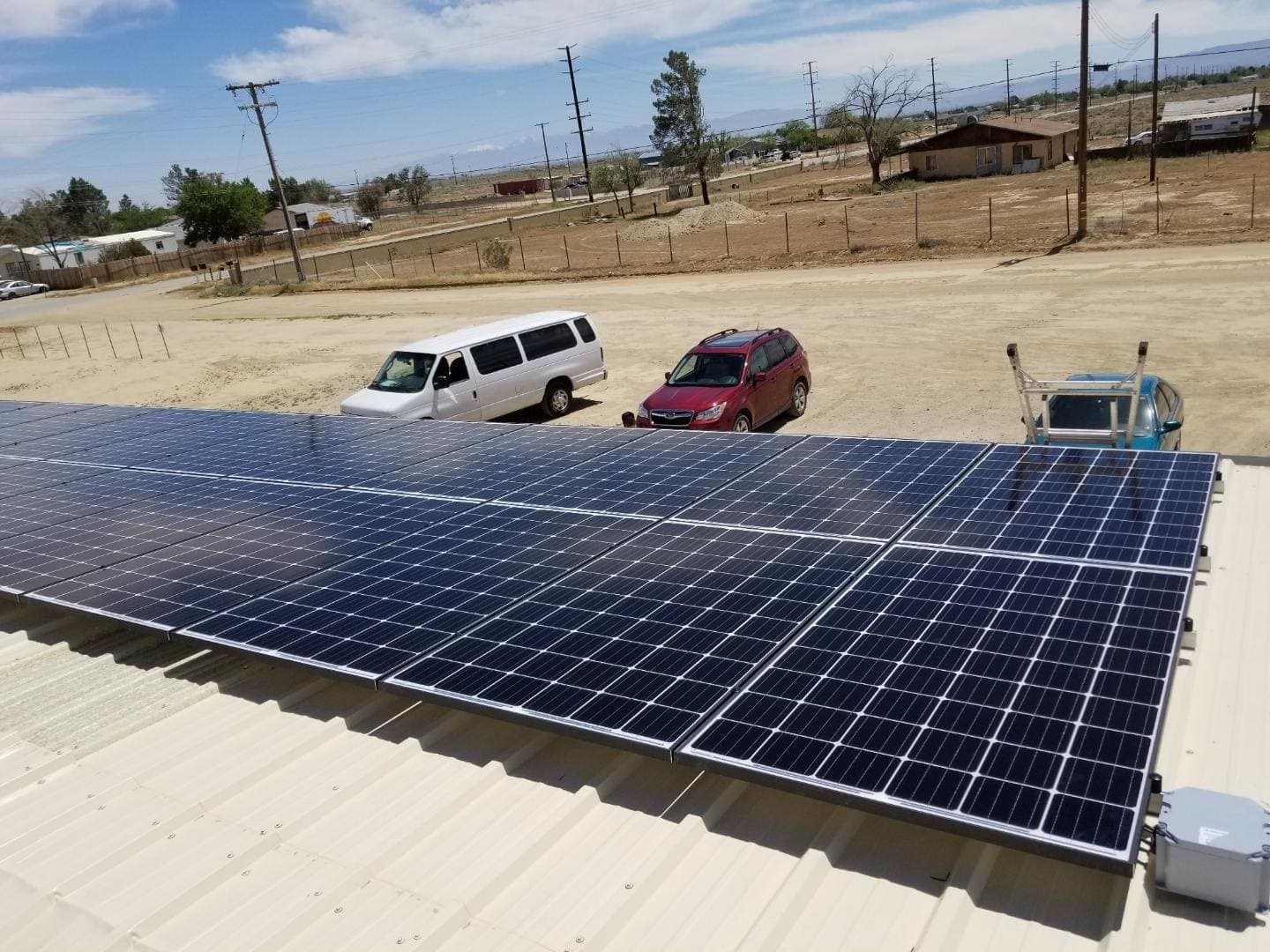
Warehouses, farms, auto shops, churches and apartment buildings in Palmdale and Lancaster have the roofs and the sun to make solar a clear business decision. The Section 48E credit is still available through 2027, and we handle everything from interval data to permission to operate.
- 0148E business tax credit through 2027
- 02Roof, ground and carport designs
- 03B General Building and C-10 electrical licenses
- 04Installed around your business hours
Which businesses get the most out of solar here
It comes down to when you use power, how much roof you have, and how long you plan to own the building.
The strongest candidates in the Antelope Valley are daytime-heavy operations with a lot of roof: distribution warehouses along the freeway corridors, manufacturing and fabrication shops, agricultural wells and processing on the east side of the valley, and auto and body shops running compressors and paint booths all day. Churches and schools are a different but good case: large roofs, tax-exempt status that changes the financing structure, and community members who care that the building runs on the sun.
Multifamily owners fall into two camps. If the property has house loads (laundry, lighting, a pool, common-area air conditioning), solar offsets them directly. If you want to serve tenants, California’s virtual net metering rules apply and we design around them. Either way, the discussion starts with a year of SCE interval data, not a sales pitch. If you are in Palmdale or Lancaster, we can usually be on site within days.
Good fit if…
- Daytime-heavy operations: warehouses, shops, agricultural pumping, offices open 8 to 5
- A large, unshaded, structurally sound roof, or open ground or parking for a carport
- You own the building or hold a long lease, and the 48E credit and depreciation are useful to you
- Demand charges are a visible line on your SCE bill
Not the right fit if…
- The roof membrane or structure needs replacement first
- Your lease is short and the landlord will not participate
- Most of your load runs at night and there is no room or budget for storage
- The building will be sold or the lease ends before the system pays back
Benefits
Why commercial solar pencils in the Antelope Valley
- 01
The business tax credit is still on the table
The Section 48E investment credit remains available for commercial systems placed in service by the end of 2027, unlike the residential credit that ended in 2025. That deadline is the reason to start planning now, not next year.
- 02
Production that matches business hours
A shop, warehouse or office uses most of its power between 8 and 5, exactly when the panels produce. Under NEM 3.0 that self-consumption is worth far more than exported power.
- 03
Big flat roofs, big parking lots
Antelope Valley commercial buildings tend to have the two things solar loves: wide, unshaded roof area and open ground or carports. That usually means a lower cost per watt than a residential job.
- 04
Demand charges and rate certainty
Commercial SCE rates include demand charges that residential customers never see. A well-sized system with storage can flatten your peak and take a predictable line item off the books for decades.
- 05
One licensed contractor, structural to electrical
Our B General Building license covers roof attachments and carport structures; our C-10 covers the switchgear tie-in. Fewer trades on site means fewer schedule gaps and one point of accountability.
- 06
A story your customers and tenants notice
Tenants, congregants and buyers ask about energy costs and sustainability. A visible array on the roof or over the parking lot answers both without a marketing budget.
The process
How a commercial project runs
Commercial jobs have more engineering and more paperwork than a house. Here is the sequence.
What to know before a commercial solar project
The decisions that shape the cost, the timeline and the return.
Roof condition and structure
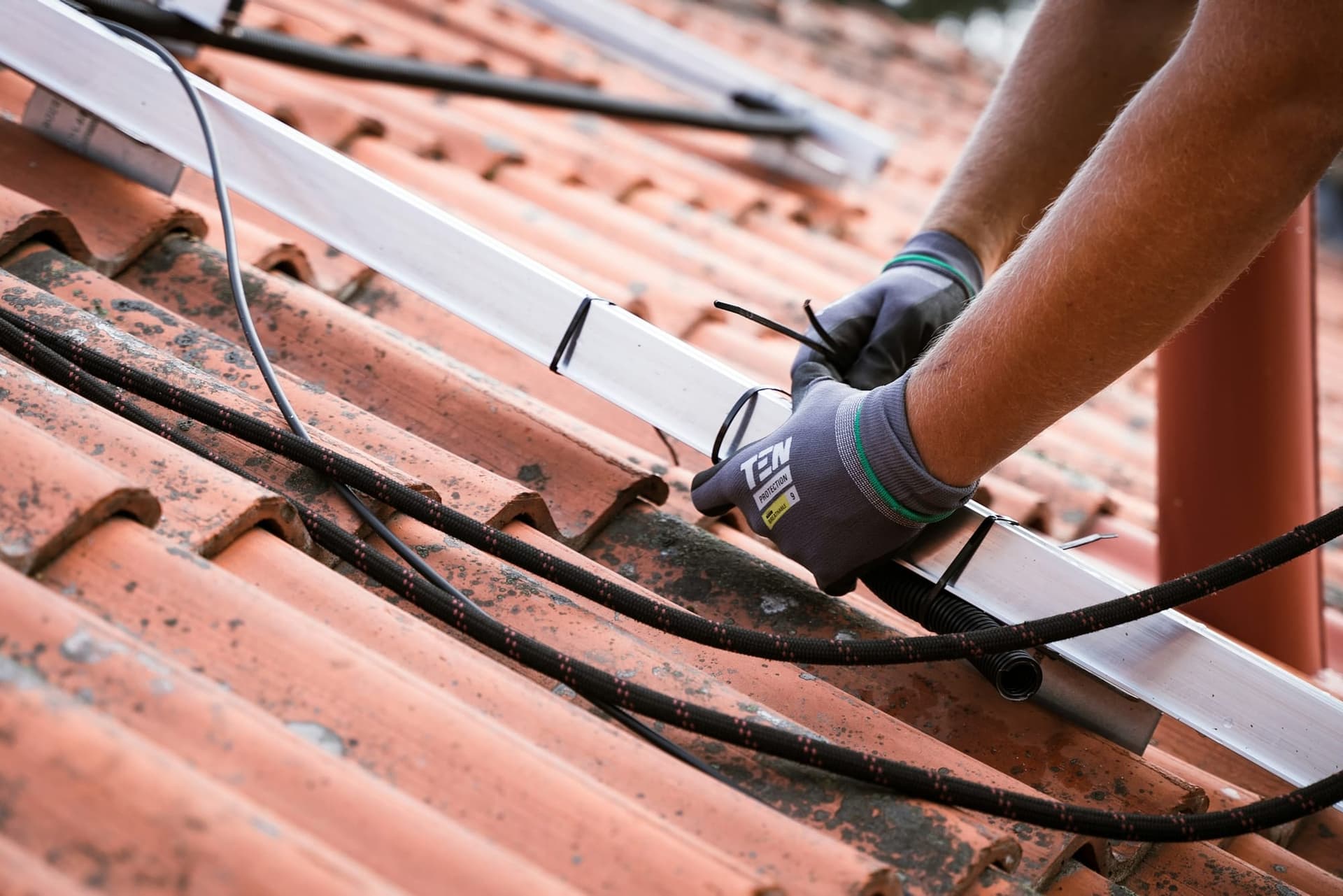
A commercial roof has to carry the array for 25 years, so its age matters more than anything else in the early conversation. On a low-slope roof we look at the membrane or foam, the remaining service life and the structural capacity of the deck and purlins; some older metal buildings in the valley need reinforcement before they can take a ballasted or attached system. Our B General Building license (CSLB #1028836) means the structural side is ours, not a hand-off. If the roof needs work first, we tell you, and it is usually cheaper to do it before the panels go up than to remove and reinstall them later.
Electrical service and interconnection
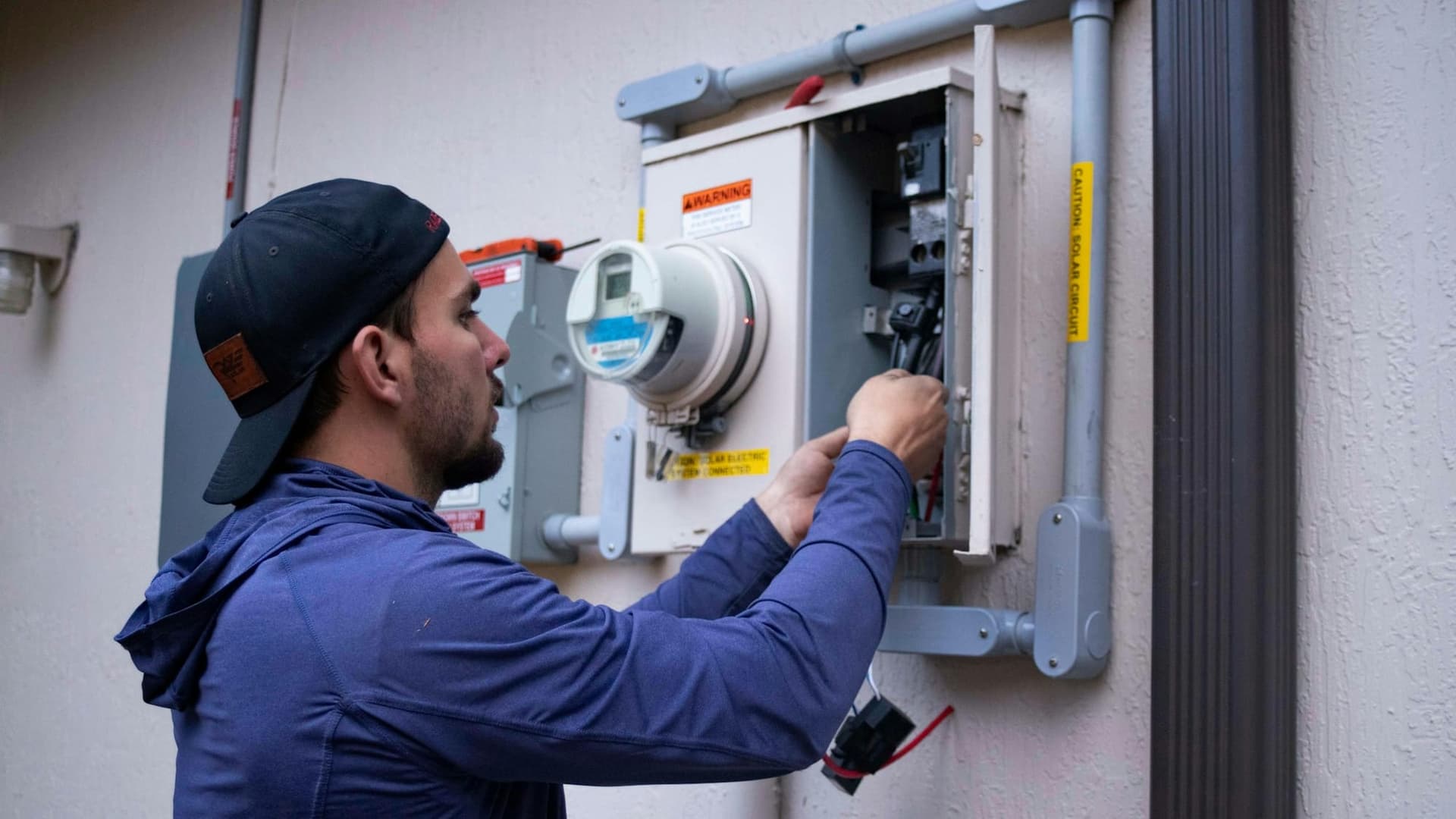
Larger systems tie into your main switchgear and may require a supply-side tap, a new disconnect or an upgrade to the service itself. That work runs under our C-10 license (CSLB #1105123). SCE’s interconnection process for commercial systems takes longer than residential and can include a study for bigger arrays, so we submit as early as the design allows.
Rates, demand charges and storage
Commercial SCE customers pay both for energy and for peak demand. Solar alone reduces energy charges during the day; adding battery storage lets the system clip demand peaks and shift production into the late-afternoon window when rates are highest. Whether storage is worth it depends entirely on your load shape, which is why we start from interval data. Batteries at commercial sites can also qualify for California SGIP incentives; see the incentives page for current tiers.
Tax treatment
As of September 2026 the Section 48E credit applies to commercial systems placed in service by the end of 2027, and the equipment is generally depreciable. Nonprofits and churches have different paths, including third-party ownership structures, and should get advice specific to their status. We provide the numbers; your CPA confirms the treatment. Loan options through partners like Dividend and ELN are covered on the financing page.
Timeline
From signed agreement to permission to operate, commercial projects take longer than residential and vary with system size, city plan review and SCE queue times. We build a schedule for your specific site and keep you updated at each milestone rather than quoting an average that does not apply to you. Permit history in Palmdale, Lancaster, Los Angeles, Rosamond and Bakersfield means we already know most of the building departments involved.
Why SunCoast
A commercial partner headquartered in the valley
- 01
Local crew, local accountability
Our office is in Palmdale and our permit record here goes back to 2019. When a facilities manager calls, someone who knows the site picks up.
- 02
Structural and electrical under one contract
General building and C-10 electrical licenses in-house, so the roof attachments and the switchgear tie-in are engineered and installed by the same team.
- 03
Backup power for the business, too
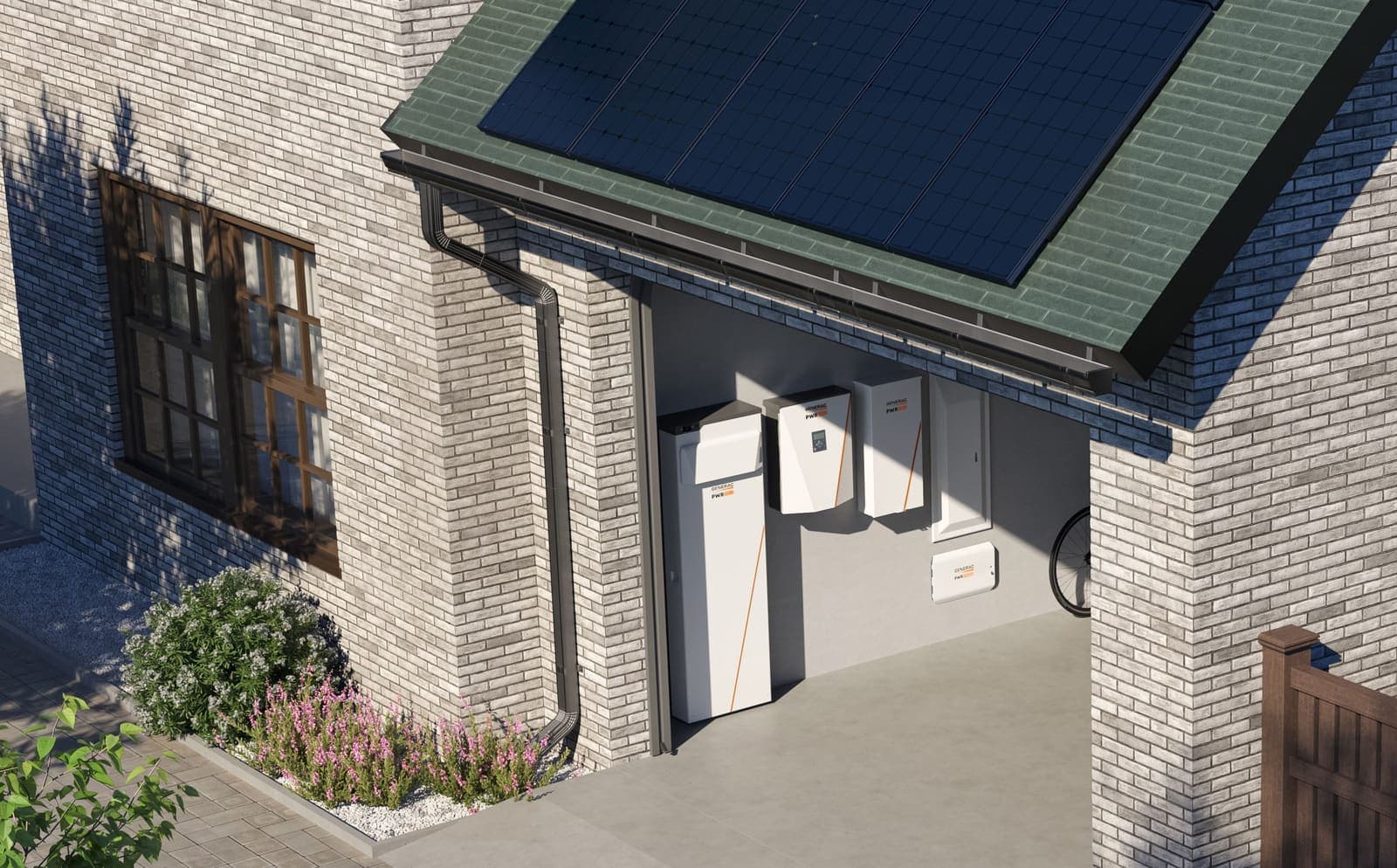
As a Generac Certified Dealer and Installer we can add a standby generator for critical loads, designed alongside the solar so the systems do not fight each other.
- 04
Service after the ribbon cutting
We monitor, diagnose and repair systems we did not install, so we are equipped to keep yours producing for the life of the credit and well beyond.
Site review
Start with your interval data
Tell us about the property and the business. We will request SCE interval data with your authorization, walk the site and return a design with a financial model that includes the 48E credit.
- 01Warehouses, ag, auto shops, churches, multifamily
- 02Roof, ground-mount and carport options priced
- 03Cash, loan and PPA structures compared
Prefer to talk it through? Call (661) 524-6522, Mon–Sun, 8:00 AM – 9:00 PM.
Questions
Commercial solar questions
01Does my business still qualify for the federal solar tax credit?
As of September 2026, yes. The Section 48E business investment credit applies to commercial solar systems placed in service by the end of 2027. It also covers third-party-owned residential systems. The residential credit for homeowners who buy outright ended in 2025. We build the credit and depreciation into your financial model, and we recommend confirming the tax treatment with your CPA.
02What kinds of commercial properties do you install on in the Antelope Valley?
Warehouses and distribution buildings, agricultural operations with pumping loads, auto shops and body shops, churches, and multifamily properties. Each has a different load profile and utility rate, so the designs look very different even at the same system size.
03Roof or ground mount or carport?
Roof mount is usually the least expensive if the roof is in good shape and structurally adequate. Ground mounts work well on ag land and large lots where you have room. Carports cost more per watt but add shade over parking, which customers and employees appreciate in July. We often price two options so you can compare.
04How does NEM 3.0 affect a commercial system?
Net Billing pays a reduced rate for exported power, so the design goal is to size for on-site consumption rather than to zero out the annual bill on paper. For businesses that run heavy loads into the evening, batteries can shift solar into peak hours and reduce demand charges. We model both scenarios so you can see the difference.
05Will the installation disrupt my business?
Most of the work happens on the roof or in a fenced yard area and does not touch daily operations. The electrical tie-in requires a planned shutdown, usually brief, which we schedule outside your busiest hours. We coordinate deliveries and crane lifts with your manager in advance.
06What financing is available for commercial solar?
Options include cash purchase, commercial loans through partners like Dividend and ELN, and third-party ownership structures such as a PPA where you buy the power rather than the system. The right choice depends on your tax appetite and how long you plan to hold the property. See our financing page or ask us to model each one.
Our services
Related services
Storage, backup power and EV charging for the same building, designed by the same team.
- 01Residential SolarCustom-designed rooftop solar for Antelope Valley homes, built to cut SCE bills and hold up in desert sun.
- 02Battery StorageStore daytime solar for evening use under NEM 3.0 and keep essentials running during outages.
- 03Generac GeneratorsWhole-home standby generators sold, installed and serviced by a Generac Certified dealer.
- 04EV ChargersLevel 2 home chargers from Enphase and SolarEdge that pair with your solar system.
- 05Bird & Critter GuardCustom-fit mesh that keeps pigeons and rodents from nesting under your panels.
- 06Maintenance & RepairDiagnostics, inverter and panel replacement, warranty claims and service for orphaned systems.
- 07Heating & CoolingHeat pump and HVAC replacement that pairs naturally with a solar-powered home.
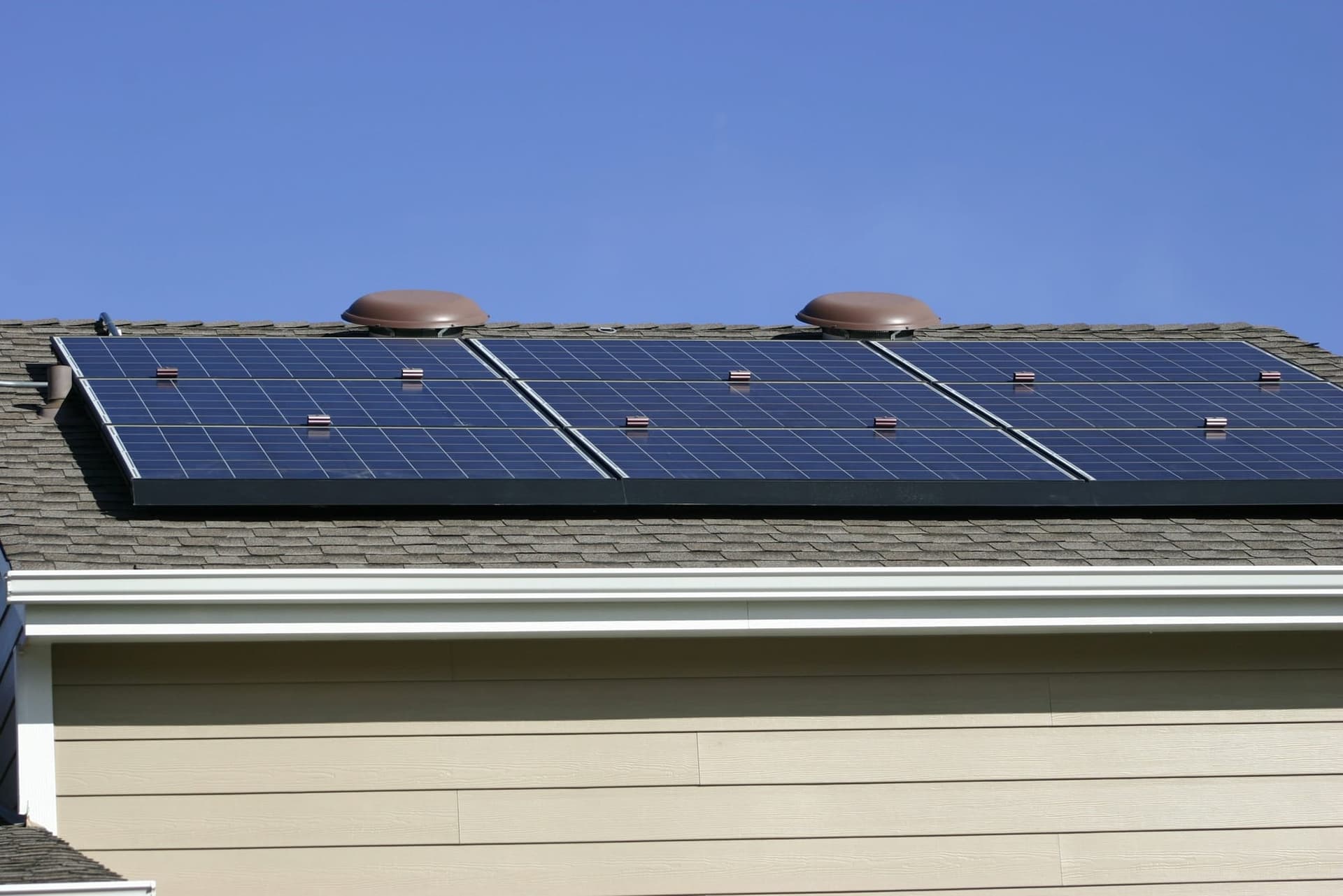
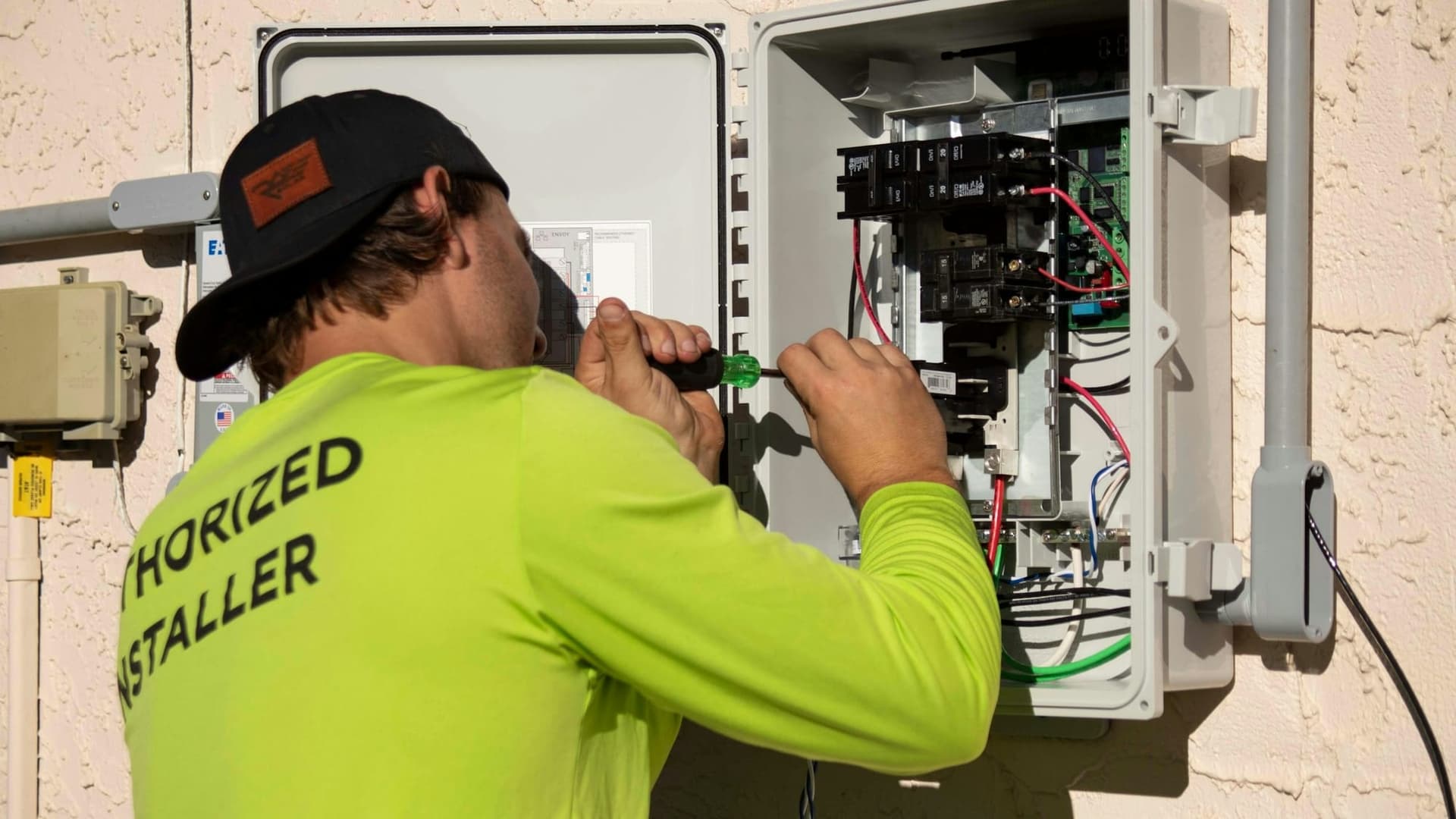
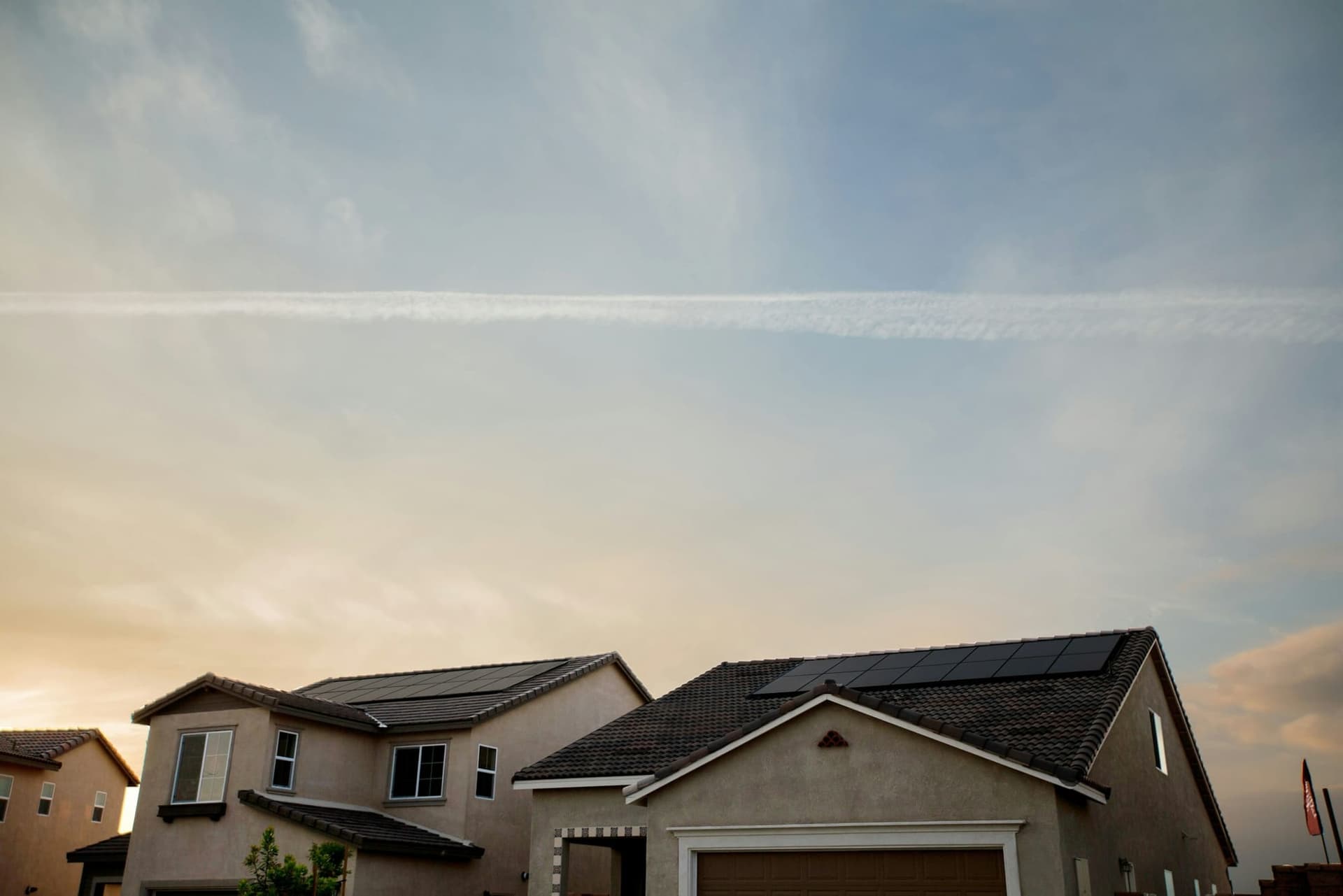
Commercial solar across Los Angeles and Kern counties
We have installed on commercial buildings from the Antelope Valley to Bakersfield.
Ready to look at your building?
A site review is free and comes with real numbers: production, savings, the 48E credit and a schedule. No pressure to proceed.