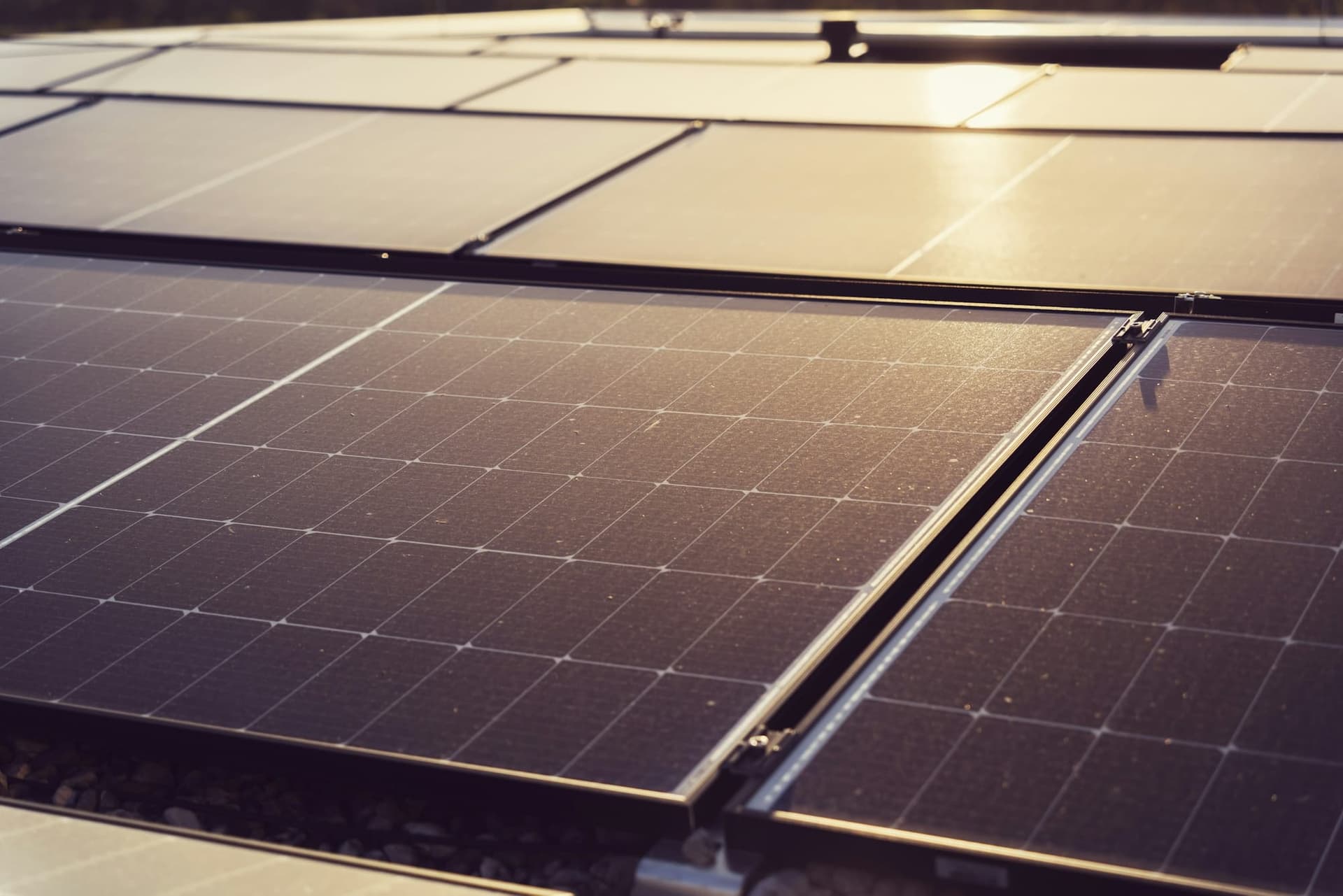
Short answer: in 2026, solar is still worth it for many Palmdale and Lancaster homes, but not for all of them, and the reasons have changed. The 30% federal credit is gone for homeowners who buy a system, SCE pays very little for exported power under Net Billing, and electric rates remain among the highest in the country. That combination rewards well-designed systems on homes with real usage, and punishes oversized systems sold on old assumptions. Here is how to tell which side you are on.
What changed, in plain terms
Three things drive the answer for an Antelope Valley home in 2026:
- No federal credit for purchased residential systems. The Section 25D residential clean energy credit does not apply to expenditures made after December 31, 2025, and the IRS treats an expenditure as “made” when installation is completed. A system finished in 2026 gets no federal credit. See our incentives page for what still applies.
- Net Billing (NEM 3.0). Since April 2023, new SCE solar customers are credited for exports at avoided-cost prices that vary by hour and month. SCE’s own examples show daytime export credits around $0.05–0.06/kWh versus $0.21–0.23/kWh on summer evenings. Energy you use yourself still offsets the full retail rate.
- Rates are high and still rising over the long run. SCE’s average residential rate was 34.4 cents/kWh as of June 2026 (a slight dip from 35.3 cents at the end of 2025, after a 9.1% typical-bill increase in 2025 from the approved General Rate Case, which also authorized further base-revenue increases for 2026, 2027 and 2028).
Why the Antelope Valley is a good place for panels
Palmdale sits at about 2,650 feet with only about 27 days of rain a year, and the area averages roughly 6.2 peak sun hours per day. That is more sun than most of the state and far more than the national average. A given panel produces more here than it would in coastal Los Angeles, which lowers the cost per kilowatt-hour generated.
Summer is also when the money is. High desert afternoons push air conditioners hard exactly when SCE’s TOU-D-PRIME rate is most expensive (4–9 p.m. on summer weekdays). A system sized and oriented for late-day production, or paired with a battery, cuts the most expensive kilowatt-hours you buy.
The trade-offs are real too: high heat slightly lowers panel output, wind and dust mean panels benefit from occasional cleaning, and homes in foothill areas near Leona Valley, Acton and Lake Hughes sit on circuits SCE may shut off during Public Safety Power Shutoffs. Those homes tend to value backup power as much as bill savings.
The homes where solar clearly pencils out
1. A meaningful bill
If your SCE bill is regularly $250 or more in summer, you are buying a lot of expensive energy. Solar replaces the highest-priced tiers and hours first. Homes with bills under about $100 a month often have a hard time justifying a full system unless they are adding an EV or a heat pump.
2. Daytime usage, or a battery
Under Net Billing, the value of a kilowatt-hour depends on whether you use it or export it. A retiree at home with the AC running at 2 p.m. self-consumes most of their production. A family that is out until 6 p.m. exports most of it at low credit rates and buys it back at peak prices, which is exactly the case a battery fixes.
3. A roof that is ready
A south- or west-facing roof with limited shade, in decent condition, keeps installation costs down. If your roof will need replacement in the next five years, do that first or at the same time. Removing and reinstalling panels later is an avoidable expense.
4. A plan to stay
Payback on a purchased system is measured in years, not months. If you plan to be in the home long enough to get past payback, the remaining decades of production are where the return comes from.
The homes where it may not, at least not yet
- Low usage with no EV, pool pump or electric heating on the horizon.
- A heavily shaded roof, or a roof that faces mostly north.
- A roof due for replacement that you are not ready to replace.
- Plans to sell within a couple of years and a preference for a lease or PPA (the transfer adds friction).
A licensed installer should say so when a home is not a good fit. Getting a smaller system, or starting with a battery and adding solar later, is sometimes the right answer.
How the money works now
Regional pricing guides put California residential solar at roughly $2.40–3.25 per watt installed, with EnergySage reporting a statewide average around $2.52/W as of September 2026. Those are typical ranges reported by third-party marketplaces, not a SunCoast quote; your number depends on roof, equipment and whether a battery is included. Our cost guide walks through what moves the price.
On the incentive side, what remains for SCE customers is smaller and more targeted: SGIP battery rebates (with the general-market residential budget closed in SCE territory as of our last check and equity tiers waitlisted), the property-tax exclusion for systems completed before January 1, 2027, and the business credit (Section 48E) that a lease or PPA provider can claim on a third-party-owned system placed in service by the end of 2027. The provider keeps that credit; a good contract passes some of the benefit through as a lower payment.
How you pay matters as much as what you pay. A fixed-payment loan with $0 down, a lease or PPA, or cash each have different trade-offs, and we lay them out honestly on the financing page.
A simple way to decide
- Pull 12 months of usage from your SCE account (kWh by month, and interval data if you can).
- Note your rate plan and what you pay in the 4–9 p.m. window.
- List what is coming: EV, pool, heat pump, home office, a second refrigerator in the garage.
- Ask for a design sized to that usage, with and without a battery, and a written production estimate.
- Compare the monthly cost of the system against the bill it replaces, year one and year ten.
If the numbers work, they will work on paper before anyone installs anything. SunCoast provides a 25-year written production guarantee on installed solar systems, so the production estimate you compare against is one we stand behind. We serve Palmdale, Lancaster and the rest of the Antelope Valley from our office on 8th Street East in Palmdale.
Sources
- IRS: FAQs on Section 25D changes under Public Law 119-21
- SCE: How Solar Billing Plans work
- SCE: Rate advisory (January and June 2026 changes)
- CPUC: Decision fact sheet, SCE 2025 General Rate Case
- EnergySage: California solar panel cost (updated Sep 2026)
- TurbineGenerator.org: Palmdale peak sun hours
- Wikipedia: Palmdale, California (elevation and climate)
- SCE: What is a Public Safety Power Shutoff