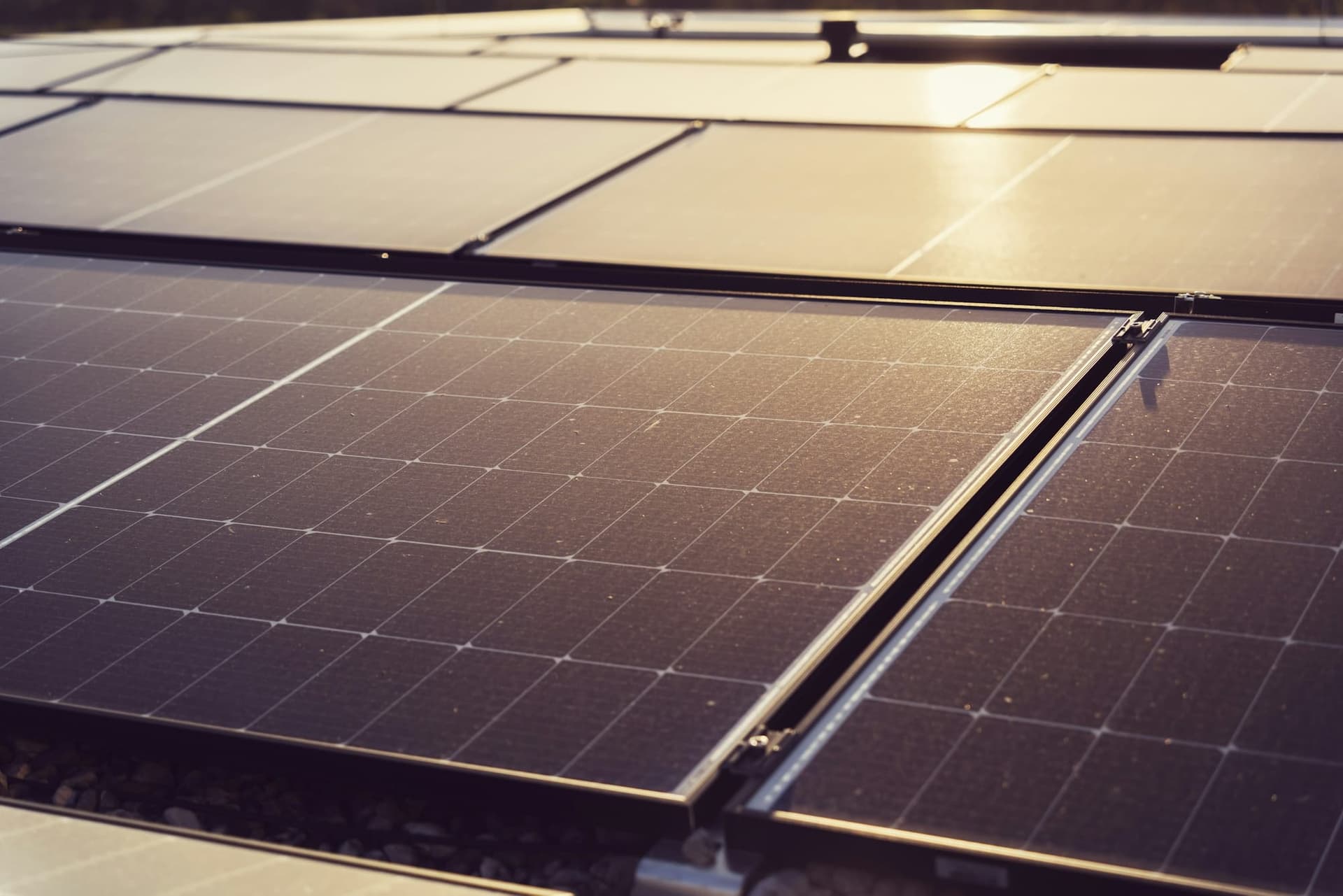
Short answer: panels in the Antelope Valley get dirtier than panels almost anywhere else in Los Angeles County, because our rain comes in a short winter window and the rest of the year is wind and dust. Most systems here benefit from one deliberate cleaning at the end of the dry season, and a few need more. The rest of the year, your monitoring app tells you whether anything needs doing. Here is how to think about it without overpaying for cleanings you do not need or losing production to a film of dust you never noticed.
How much dust actually costs you
NREL’s PVWatts calculator, the tool most installers use to estimate production, assumes a 2% loss from soiling as a default, inside a 14% total for all system losses. That default is a national average. It works for a roof in Pasadena that gets rinsed every few weeks in winter and sits under mild skies in summer. It is optimistic for a roof in Palmdale that has not seen a real rain since March.
The research on how far soiling can go is sobering. In a 2023 study of utility-scale plants in North Carolina, a humid state with frequent rain, NREL found output dropped by up to 15% at the peak of pollen season and estimated annual losses of around 10% without cleaning. A wet-brush cleaning recovered 5% to 11%. The headline finding was that rain alone did not bring performance back to baseline. If rain cannot keep panels clean in North Carolina, it certainly cannot do it in the high desert, where there is very little rain to begin with.
Why the Antelope Valley is different
Palmdale Airport’s 30-year normals show about 5.9 inches of rain a season, and almost all of it falls between October and March. May through September together average well under half an inch. That is a five-month stretch in which nothing washes your roof except the occasional monsoon shower, which usually arrives with dust on the front of it and leaves muddy streaks behind.
Then there is the wind. Anyone who has lived in Lancaster or Rosamond through spring knows the afternoons when the sky turns tan. Wind advisories with gusts of 50 to 60 mph are a routine part of the forecast here, and in October 2021 a dust storm near Lancaster cut visibility to almost nothing and closed a section of the 14 Freeway. Every one of those events deposits a fresh layer of fine silt on every south- and west-facing panel in the valley.
Add the local extras: dirt roads and open lots in Littlerock and east Palmdale, alfalfa and orchard land toward Lancaster, new-home construction on the edges of both cities, and pigeons that treat a panel array as shade with a view. Bird droppings are the worst of the lot because they do not spread thin; a single dropping can shade a cell hard enough to pull down an entire string on older string-inverter systems.
When cleaning is worth it, and when it is not
Rain does a decent job on loose dust on a tilted roof. After the first good winter storm, most Antelope Valley arrays are close to clean without anyone touching them. That is why we do not recommend paying for a cleaning in December or January unless there is a specific problem.
The case for cleaning is strongest in late summer and early fall. By then the array has carried six months of dust through the highest-production months of the year, and there may be another six weeks of strong sun before the rain comes. A cleaning in September recovers production during the period that matters most under SCE’s time-of-use rates, when every evening kilowatt-hour you can supply yourself is worth the most.
A simple test: compare a clear day this week against a clear day the same month last year in your monitoring app. Weather varies, so a few percent means nothing. A steady gap of well beyond that, with no inverter fault and no new shade, points at soiling or a hardware problem, and either one is worth a look.
How to clean panels without damaging them
- Go early or late. Cold water on hot glass is a thermal-shock risk, and water evaporates too fast at midday to rinse anything. Early morning is best; a calm evening is second best.
- Soft brush, plain water. A soft-bristle brush on an extension pole and a garden hose does the job. No dish soap, no bleach, no ammonia-based glass cleaner, and nothing abrasive.
- Rinse with soft or deionized water if you can. Palmdale Water District’s 2024 water quality report puts local hardness in the moderately hard to hard range depending on the source. The minerals that leave spots on your shower door will leave them on your panels. Water-fed poles with a deionizing cartridge are what the professionals use; a final rinse from a softened tap is a good substitute.
- Never use a pressure washer. High-pressure water can crack cells, force water past the frame seals and strip anti-reflective coatings. It also voids most panel warranties.
- Never stand on the modules. Panels are not rated to carry a person. Microcracks from a boot may not show up for years.
- Never work from a ladder in wind. This is the Antelope Valley rule that matters most. If the flags are moving, wait for another day.
If your array is on a single-story home and reachable from the ground with a pole, this is a reasonable Saturday-morning job. If it involves getting onto the roof, a two-story home, a tile roof or a steep pitch, hire it out to someone who is insured for exactly that work. A cleaning is cheap compared with a fall or a broken tile.
What your monitoring app is telling you
Most systems installed in the last decade report production online, either per panel (Enphase, SolarEdge) or per inverter. That data does three things a homeowner cannot do by looking at the roof:
- A slow, even decline across every panel over the dry season is the signature of soiling. Cleaning fixes it.
- One panel or one group well below the rest points at a bird dropping, a shadow from a new vent or tree, a failed optimizer or microinverter, or a loose connector. Cleaning may or may not fix it, and if it does not, a technician should.
- Zero production on a sunny day, or a red light on the inverter, is a fault. Cleaning will not help. Call before you climb.
If the app itself has gone dark, the system may still be producing but you have lost your only early warning. Restoring monitoring is usually a small job and is worth doing before anything else.
A once-a-year checklist
- Review a year of monitoring data and compare it with the production estimate in your contract.
- Look at the array from the ground with binoculars: cracked glass, discoloration, debris, nesting material.
- Check conduit runs, junction boxes and roof flashings for sun damage, gaps or lifted sealant.
- Confirm critter guard is intact and nothing has moved in underneath the panels.
- Make sure the inverter’s vents and fans are clear of dust and cobwebs, and listen for fan noise on a hot afternoon.
- Check that the inverter, gateway and battery are on current firmware; most update themselves only if they are online.
- Walk the roof edge and yard after any big wind event for loose hardware, flashing or torn wire management.
What a SunCoast service visit includes
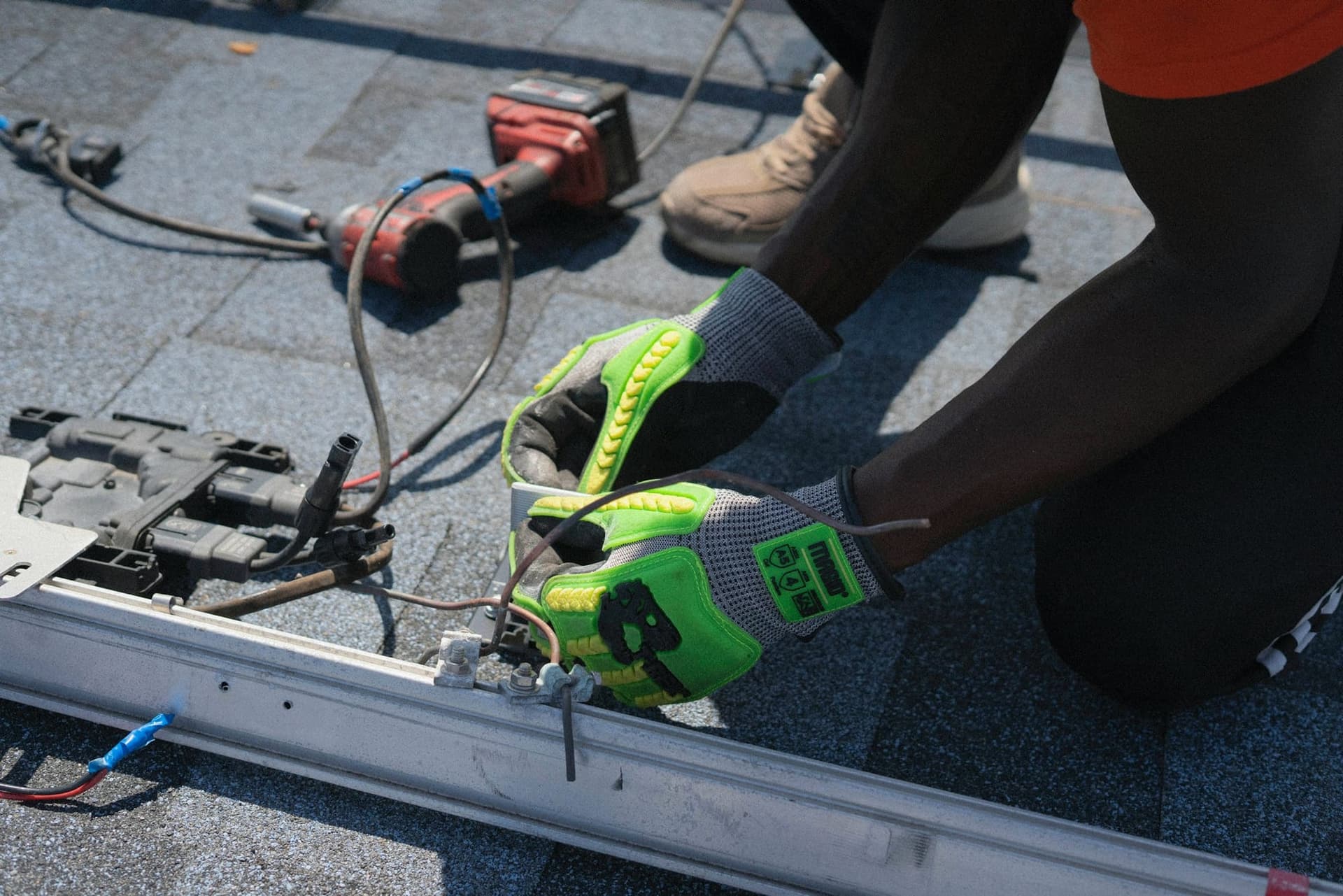
Our maintenance and repair service is built around the list above. A licensed technician reviews your production history before the visit, inspects the array, racking, wiring and inverter on site, cleans the panels with a water-fed system, tests anything that looked wrong in the data, and leaves you with a written note of what was found. Where pigeons are the problem, we install bird and critter guard around the array perimeter so the cleaning lasts. If a panel or an inverter has failed, we handle the manufacturer warranty claim rather than handing you a phone number.
A note for orphaned systems
A lot of Antelope Valley solar was sold by companies that no longer answer the phone. If that is your situation, nothing about the equipment has changed: the panels, inverters and racking still carry their manufacturer warranties, and any licensed C-10 contractor can service them. We take on systems of every brand, installed by anyone, and we will tell you straight whether a problem is dust, a part or a design flaw. If you are trying to decide whether an aging system is still pulling its weight, our guide on whether solar is worth it in the Antelope Valley covers the math for existing systems as well as new ones.
Sources
- Los Angeles Almanac: Historical monthly rainfall for Palmdale Airport (1991–2020 normals, 5.90 in/season)
- Renewable Energy World: NREL finds rain cannot fully clean soiled panels (Dec 2023; 15% peak loss, ~10% annual, 5–11% recovered by cleaning)
- PVWatts calculator guide: default loss assumptions (2% soiling, 14% total system losses)
- Sunrun: How to clean solar panels (no pressure washers, no harsh chemicals, avoid hot days)
- Palmdale Water District: 2024 Consumer Confidence Report (hardness in grains per gallon by source)
- ABC7: Dust storm near Lancaster, 55–60 mph gusts, 14 Freeway closure (Oct 12, 2021)